The light-emitting diode (LED) industry is responsible for many recent lighting advancements. The three scientists who devised the original blue led, which was famous for its efficiency, were awarded the Nobel Prize in Physics in 2014.
Consequently, 2015 was widely recognized as the "Year of Light" as designated by the United Nations.
The goal was to get people pondering about switching to more energy-efficient LED bulbs and to promote a future in which LEDs dominate the lighting market.
With this level of international recognition, we believe LED lighting has reached its pinnacle, but the future is even brighter. LED technology is still evolving, and as a result, it is gaining increasing significance in the marketplace.
About half of the world's lighting is now made up of LED bulbs. This is a huge step forward, and studies suggest that LEDs could account for as much as 87% of the world's lighting by 2030.

The greater economic viability of LED lights is a major factor in their market dominance worldwide.
However, several common mistakes can compromise their performance, safety, and longevity when designing and implementing LED lighting and enclosures. This article will discuss some of the most critical mistakes to avoid and how to ensure a successful LED lighting project.
COMMON MISTAKES TO AVOID
1. Overloading the Enclosure
Overloading the enclosure can cause overheating, component failure, and even fire hazards, making it one of the most common LED lighting design mistakes. The LED light source, driver, and other electronic components are protected from environmental hazards like dust and moisture by being accommodated in a housing/enclosure. However, there is a limit to the capacity of enclosures, and going over that limit can have devastating impacts.
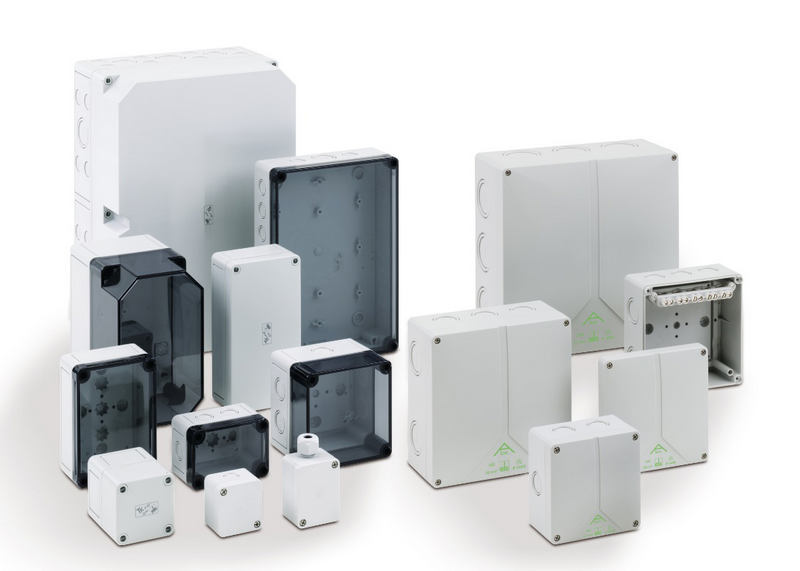
It's important to determine how much heat the LED light source and driver will produce and ensure it will stay within the enclosure's thermal capacity. The number of LEDs, drivers, and the surrounding temperature, ventilation, and humidity must all be considered. Also, ensure the enclosure you pick has adequate thermal management features like heat sinks and fans for the job at hand.
2. Using Incompatible Components
Mismatched drivers, LEDs, and optics are incompatible components that lead to poor LED lighting design. As a highly integrated system, LED lighting systems require meticulous attention to detail in the selection and design of each part. Poor performance, unstable operation, and early failure are all possible outcomes of using incompatible components.
Trustworthy LED lighting manufacturers and suppliers are essential for acquiring tested and compatible components and avoiding using incompatible components. The LED chips' colour temperature, CRI (colour rendering index), efficiency, and the driver's and load's compatibility are also crucial considerations. LED lighting systems can be optimized for efficiency and light distribution by using lenses and reflectors.
3. Failing to Comply with Safety Standards
LED lighting systems must be designed and installed to all applicable safety standards and regulations to prevent potential dangers. These regulations ensure that the LED lighting system is safe for people and the environment by addressing issues like electrical safety, electromagnetic compatibility, and protection.
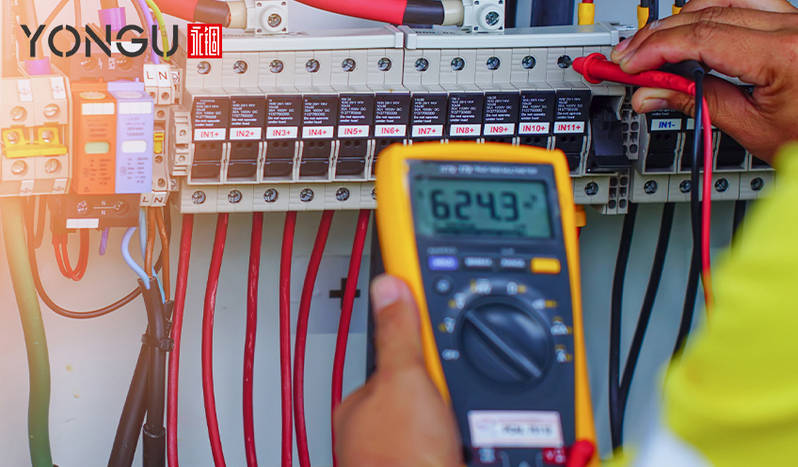
Legal ramifications, product recalls, and a damaged reputation are all possible outcomes of failing to adhere to safety regulations. To avoid this, ensure you only deal with reputable companies that produce and design LED lighting that has been tested and proven safe in accordance with industry standards like IP, UL, CE, and RoHS. Before releasing the LED lighting system to the public, it must be put through rigorous testing and certification.
4. Other Common Mistakes in LED Lighting Design
In addition to the above, there are several other common mistakes to avoid in LED lighting design and implementation, such as:
- Underestimating the Power Requirements: It is crucial to accurately calculate the power requirements of LED lighting systems to avoid overloading the power supply or resulting in flickering of the LEDs, as the power needs vary depending on the application.
- Ignoring the Environmental Factors: LED lighting systems are increasingly being put to use in outdoor, industrial, and marine settings, all of which subject them to elements such as dust, moisture, corrosion, and temperature fluctuations. It is essential to use the appropriate materials and coatings to ensure the enclosure and its contents can withstand the elements.
- Neglecting the User Interface: Switches, sensors, and embedded processors are just a few examples of user interfaces for LED lighting systems that can improve user experience and energy efficiency. Choosing the right interface components compatible with the LED lighting system requires considering the user's needs and preferences.
- Focusing only on Aesthetics: The visual appeal of the LED lighting system is crucial, but it shouldn't be the only consideration. The system's aesthetics shouldn't be at the expense of its functionality, security, or efficiency. Functional and regulatory needs must be considered alongside design needs.
- Inadequate Testing and Validation: LED lighting systems must undergo extensive testing and validation to ensure they are safe and functional. Poor testing can lead to malfunctions, unreliability, and perhaps even perils in the design. It is crucial to perform comprehensive testing and validation at each design phase.

- Overlooking the Maintenance Requirements: LED lighting systems should be serviced regularly to ensure optimal performance and longevity. This includes cleaning, re-tightening, and replacing any faulty components. It is important to design the LED lighting system with easy access to the components and adequate maintenance instructions.
CONCLUSION
LED lighting design and implementation necessitate meticulous planning and execution for optimal performance, safety, and longevity. The performance, safety, and lifespan of an LED lighting system can be compromised by the common mistakes discussed in this article, leading to legal liabilities, product recalls, and damage to the company's reputation. Working with trustworthy LED lighting manufacturers and designers who adhere to all applicable safety standards and regulations, consider all relevant factors during the design process, and thoroughly test and certify the LED lighting system before releasing it to the market can help you avoid these drawbacks. When designed and implemented correctly, LED lighting systems can significantly reduce energy consumption, improve lighting quality, and enhance the user experience.
YONGUBOX ALUMINUM ENCLOSURES
YONGUBOX Aluminum Enclosures are a type of enclosure that is designed to house and protect electronic components. They are made from aluminum, which provides a high degree of durability and resistance to corrosion. The enclosures come in various shapes and sizes and can be customized to meet the specific needs of different applications.
YONGUBOX Aluminum Enclosures are commonly used in various applications, including industrial control systems, telecommunications, and electronic instrumentation. Engineers and designers favour them due to their high-quality construction and customizable design options.
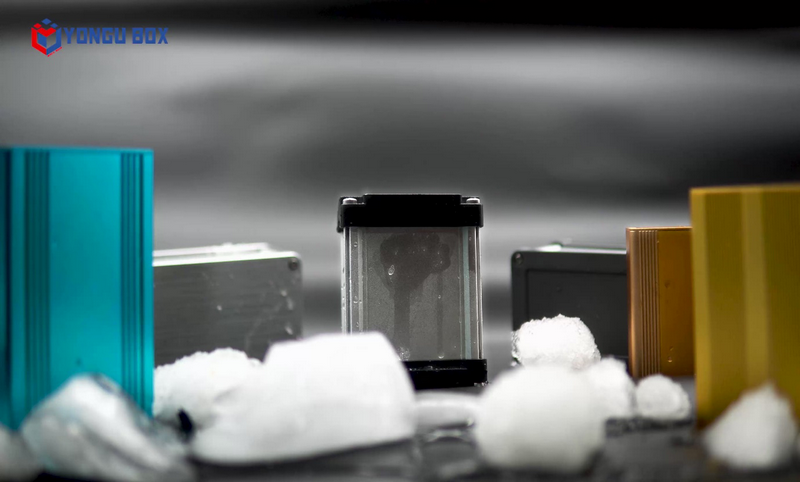
YONGUBOX L Series
1.IP68 rating Enclosure.
2.Width and length are settled, and height can be customized.
3.Different models have different functions.
- Model A is part of an extruded case with aluminum end covers.
- Model B is also a part of an extruded case, but it has ABS end covers instead of aluminum.
- Model C consists of an extruded case with ABS end covers and two L-shaped brackets made of sheet metal.
- Model D is similar to Model C but has an additional base plate, which allows it to be mounted on a din rail or a pole.
4.Dispensing ring for maintaining both waterproof and dustproof functionality.
5.Shock-resistant die-cast aluminum enclosure.
6.Customized and Personalized options for Cutout, colours, and printing.
For further information and customized product of your requirements, follow our Facebook for more details: YONGUBOX.
You can also contact us at +86 13326782625 or write us at [email protected].