An aluminum electronics enclosure improves heat management by utilizing aluminum’s exceptionally high thermal conductivity (160–210 W/m·K) to turn the outer housing into a passive heatsink, rapidly conducting internal heat away from sensitive components and dissipating it up to 10 to 100 times faster than steel or plastic alternatives. Combined with optimized surface fin geometry, high-emissivity anodized surface finishes, and direct thermal interface bridging, modern aluminum housings drop internal operating temperatures by 15°C to 30°C, preventing thermal throttling, enhancing operational reliability, and significantly extending component lifespans across demanding global industrial environments.
1. The Science Behind Aluminum Thermal Performance
In modern industrial electronics—ranging from high-power amplifiers and IoT gateways to edge computing systems—heat management directly impacts system longevity and performance. Traditional forced-air cooling fans often add unwanted mechanical points of failure, noise, and dust ingress pathways. Consequently, passive cooling through the chassis wall is the preferred thermal management method.
Aluminum outperforms traditional structural metals because of its atomic heat-transfer properties. Heat generated by high-power microprocessors and PCBs conducts directly through thermal interface materials (TIM) to the enclosure walls. Because aluminum rapidly conducts and spreads heat across its full surface area, local thermal hot spots are eliminated, allowing convective airflow and radiative cooling to operate at peak efficiency.
Material Thermal Performance Comparison
The table below highlights why aluminum alloys lead the industry for passive heat dissipation when compared to alternative housing materials:
| Material Type | Thermal Conductivity (W/m·K) | Radiative Emissivity (ε) | Relative Thermal Efficiency | Primary Industrial Application |
|---|---|---|---|---|
| Extruded Aluminum (6063-T5) | ~200 – 210 | 0.82 – 0.90 (Anodized) | 100% (Baseline) | High-power instrument chassis, amplifier housings |
| Cast Aluminum (A380) | ~96 – 100 | 0.75 – 0.85 (Coated) | ~50% – 60% | Complex geometric electronic junction boxes |
| Stainless Steel (304) | ~16.2 | 0.55 – 0.65 | ~8% – 12% | Corrosive chemical environments (low heat output) |
| Polycarbonate / ABS Plastic | ~0.19 – 0.25 | 0.90 – 0.95 | < 1% | Low-cost, low-power consumer electronics |
2. Key Elements of Advanced Metal Housing Thermal Design
Selecting aluminum as a raw material is only the first step. Engineering an efficient metal housing thermal design requires incorporating structural elements that accelerate both conductive and radiative heat loss:
- External Heat Sink Fins: Integrated longitudinal or lateral fin profiles significantly expand exterior surface area, generating natural chimney effects and convective airflow across the enclosure body.
- Anodized Surface Finishes: Bare untreated aluminum has a low thermal emissivity rating (~0.05). Applying an anodized finish (sandblasted black, blue, or silver) boosts emissivity to over 0.85, enabling the chassis to radiate heat far more efficiently into ambient space.
- Direct Thermal Interface Pathways: Precision internal mounting bosses allow thermal pads or heat pipes to bridge microprocessors directly to the chassis wall, eliminating insulating pockets of trapped internal air.
3. High-Performance Thermal Solutions by YONGU
With over 20 years of experience in aluminum industrial chassis manufacturing and more than 8 years exporting to global markets across North America, Europe, and Asia, YONGU provides specialized OEM and ODM thermal enclosures engineered for reliability.
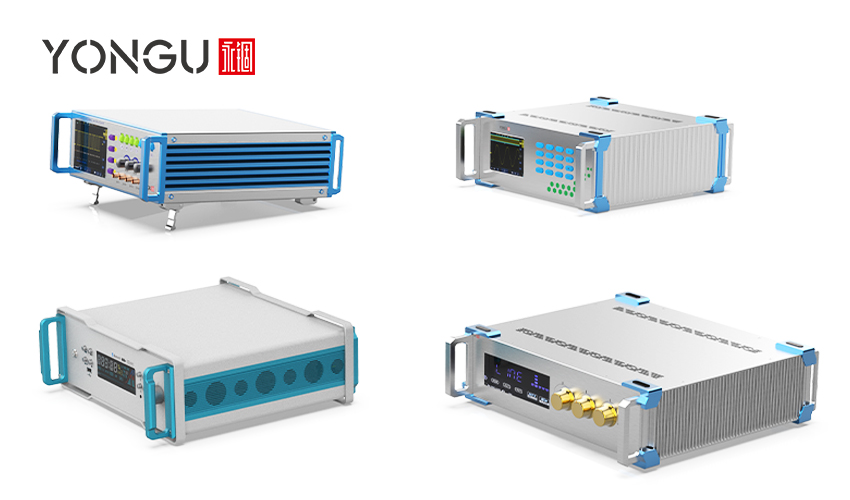
A benchmark of YONGU's engineering design is the aluminum electronics enclosure (Model A09 450*2Umm Industrial Instrument Chassis). Built specifically for delicate instruments, amplifiers, and rack-mount hardware, this chassis highlights YONGU's signature design strengths:
- Modular Extrusion Design: Combines heavy-duty side-wall heatsink profiles with flexible dimension adjustment to match custom PCB layouts.
- Sandblasted Anodized Coating: High-grade surface processing maximizes thermal radiative dissipation while delivering anti-corrosion and scratch-resistant protection.
- Precision CNC Machining: Advanced 3-, 4-, and 5-axis CNC equipment ensures high-tolerance milling for precise thermal block contacts, connectors, and mounting ports.
For outdoor or severe industrial applications, YONGU also delivers combined environmental sealing and cooling solutions, such as an IP68-rated heat dissipation case, ensuring that sensitive electronics stay cool and completely protected against moisture and dust.
4. Global & Regional Environmental Application Considerations
Thermal management strategies must adapt to specific geographical climates and deployment environments:
- High Ambient & Solar Climates (Middle East, Southern US, Australia): Outdoor control boxes subject to intense solar radiation rely on YONGU’s high-emissivity anodized surface treatments and high-density outer finning to maximize radiative thermal discharge during extreme heat waves.
- Humid & Marine Regions (Southeast Asia, Coastal Europe): Chemical passivation and hard anodization prevent surface oxidation, ensuring long-term thermal conductivity remains uninhibited by salt spray or moisture build-up over years of service.
- Data Edge & Server Racks (Global Industrial Centers): Standard 19-inch 2U rack form factors leverage integrated side-wall fins to work synergistically with cabinet-level forced ventilation.
Conclusion: Upgrade Your Hardware Thermal Strategy
Aluminum electronics enclosures deliver superior heat management by combining high material thermal conductivity, structural surface expansion, and high radiative emissivity through anodized finishing. By converting the housing into a passive heatsink, aluminum chassis protect internal components from thermal stress, lower maintenance costs, and ensure uninterrupted long-term device performance.
Whether you require standard 19-inch chassis, modular instrument enclosures, or complete custom CNC-machined housing prototypes, YONGU has the technical manufacturing expertise to meet your specifications. Ready to optimize your hardware thermal performance? Contact Us today to consult with YONGU's expert design engineers and request a custom project quote!