In outdoor and industrial IoT deployments, a robust waterproof and dustproof design is the single most critical factor for ensuring long-term operational reliability, protecting sensitive electronics from environmental corrosion, and preventing costly field maintenance.
The Costly Reality of Environmental Ingress in Industrial IoT
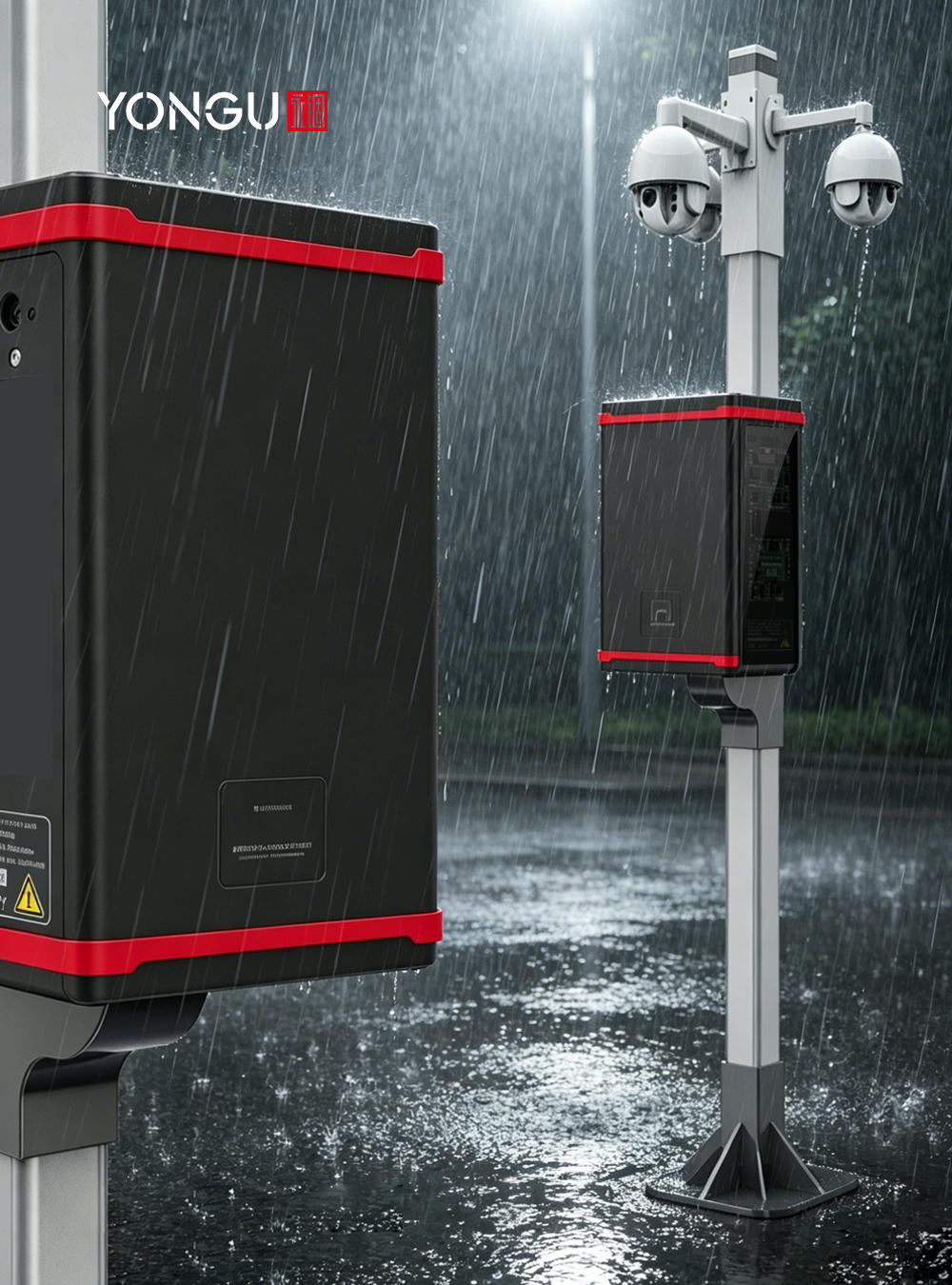
Deploying an industrial IoT enclosure or an outdoor network box in the field exposes sensitive electronics to harsh conditions. Whether it is a smart agriculture hub in a dusty field or a municipal gateway mounted on a utility pole, environmental factors are relentless. The primary challenges engineers face during field deployments include:
- Micro-Dust Penetration: Fine ambient dust can penetrate poorly sealed joints. Once inside, it settles on circuit boards, acting as an insulating layer that traps heat, or attracting moisture to create a conductive paste that causes short circuits.
- Condensation and Water Ingress: Sudden temperature drops can create a vacuum effect inside the box, drawing in humid air. Over time, this moisture condenses, leading to rapid electrochemical corrosion of PCBs.
- UV Degradation and Mechanical Wear: Prolonged solar radiation can degrade non-metal enclosures, causing them to crack and lose structural integrity. Furthermore, wind-driven debris and physical impacts require the housing to offer structural resilience.
Understanding IP Ratings for Outdoor Network Box Deployments
To mitigate these risks, industry standards utilize the Ingress Protection (IP) rating system. For a standard gateway enclosure, matching the IP rating to the environment is essential to balance cost and durability:
| IP Rating | Dust Protection Level | Water Protection Level | Typical Application Scenario |
|---|---|---|---|
| IP54 | Protected against dust limited ingress (no harmful deposit). | Protected against water splashed from all directions. | Sheltered indoor or mild factory floors. |
| IP65 | Dust-tight (no ingress of dust). | Protected against water jets from any angle. | Standard outdoor mounting under awnings or covers. |
| IP67 | Dust-tight (no ingress of dust). | Protected against temporary immersion (up to 1m for 30 mins). | Exposed outdoor environments, coastal areas, and heavy monsoon regions. |
| IP68 | Dust-tight (no ingress of dust). | Protected against continuous immersion under specified pressure. | Submersible equipment, extreme industrial environments. |
The Technical Dilemma: Sealing vs. Thermal Dissipation
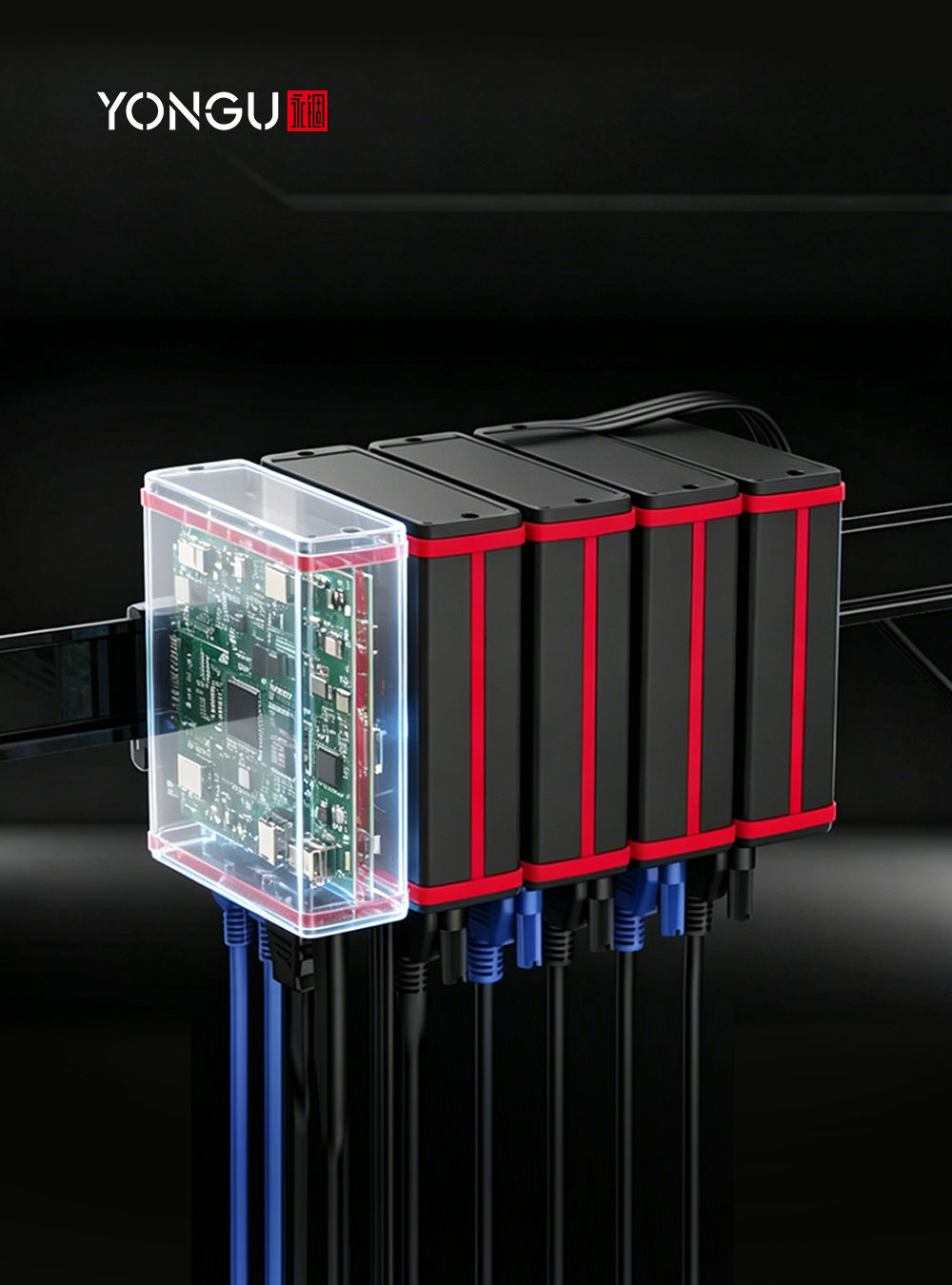
Sealing an outdoor network box presents a thermodynamic challenge. A tightly sealed IP67 or IP68 enclosure traps the heat generated by the internal gateway hardware. In high-temperature environments, this trapped heat can quickly exceed the maximum operating temperature of the processor, causing thermal throttling or hardware failure. Therefore, material choice is critical. While plastic or fiberglass enclosures provide basic weatherproofing, they have poor thermal conductivity. High-quality aluminum, conversely, acts as a natural heatsink, transferring heat from the internal electronics to the outside air while maintaining a complete hermetic seal.
Addressing Field Challenges with YONGU
Consider a typical technical scenario: an engineering team is tasked with deploying smart municipal parking sensors and environmental gateways across a coastal city. The devices are mounted on streetlights, exposed to high humidity, salty air, and seasonal heavy rains. Standard plastic boxes degrade under constant UV exposure and fail to keep out pressurized rainwater over years of service. Furthermore, electromagnetic noise from urban infrastructure degrades the quality of the LoRaWAN signals.
To resolve these challenges, engineering teams require a rugged, conductive metal housing. The YONGU MJ03 108*42mm IP67 IoT Gateway Control Box Enclosure offers a practical answer to this design dilemma. Built from a unibody extruded aluminum shell, the MJ03 provides reliable EMI shielding and impact resistance. Sealed with a heavy-duty silicone O-ring, it meets high-level ingress standards, ensuring internal gateway boards remain dry even during intense downpours. By utilizing aluminum’s natural thermal properties, the enclosure effectively manages heat build-up without sacrificing the integrity of its environmental seal.
Frequently Asked Questions
Q1: Why is aluminum preferred over plastic for outdoor gateway enclosures?
A: Aluminum offers superior thermal dissipation, acts as an inherent EMI shield, and is highly resistant to UV degradation, whereas plastic can become brittle over time when exposed to sunlight and lacks shielding capabilities.
Q2: How does a heavy-duty O-ring improve enclosure reliability?
A: The O-ring creates a reliable mechanical seal under compression between the enclosure body and end-plates, preventing liquid water and moisture vapor from penetrating the joints.
Q3: Can the YONGU MJ03 be customized for different RF antenna configurations?
A: Yes, YONGU offers design customization support, including custom hole drilling for multiple antenna connectors (such as N-type or SMA) to match your specific gateway layout.
Take Your IoT Deployment to the Next Level
If you are planning an outdoor IoT deployment and want to protect your valuable hardware from moisture, dust, and EMI, let our engineering team assist you. Contact YONGU today to request a quote or discuss your custom enclosure requirements.