Conclusion: The definitive solution to eliminating outdoor electronics failure is upgrading to an IP68 waterproof enclosure. By completely blocking moisture, dust, and corrosive elements, while passively dissipating internal heat, these engineered housings can extend the operational lifespan of sensitive PCBs by over 300% and drastically reduce expensive field maintenance costs.
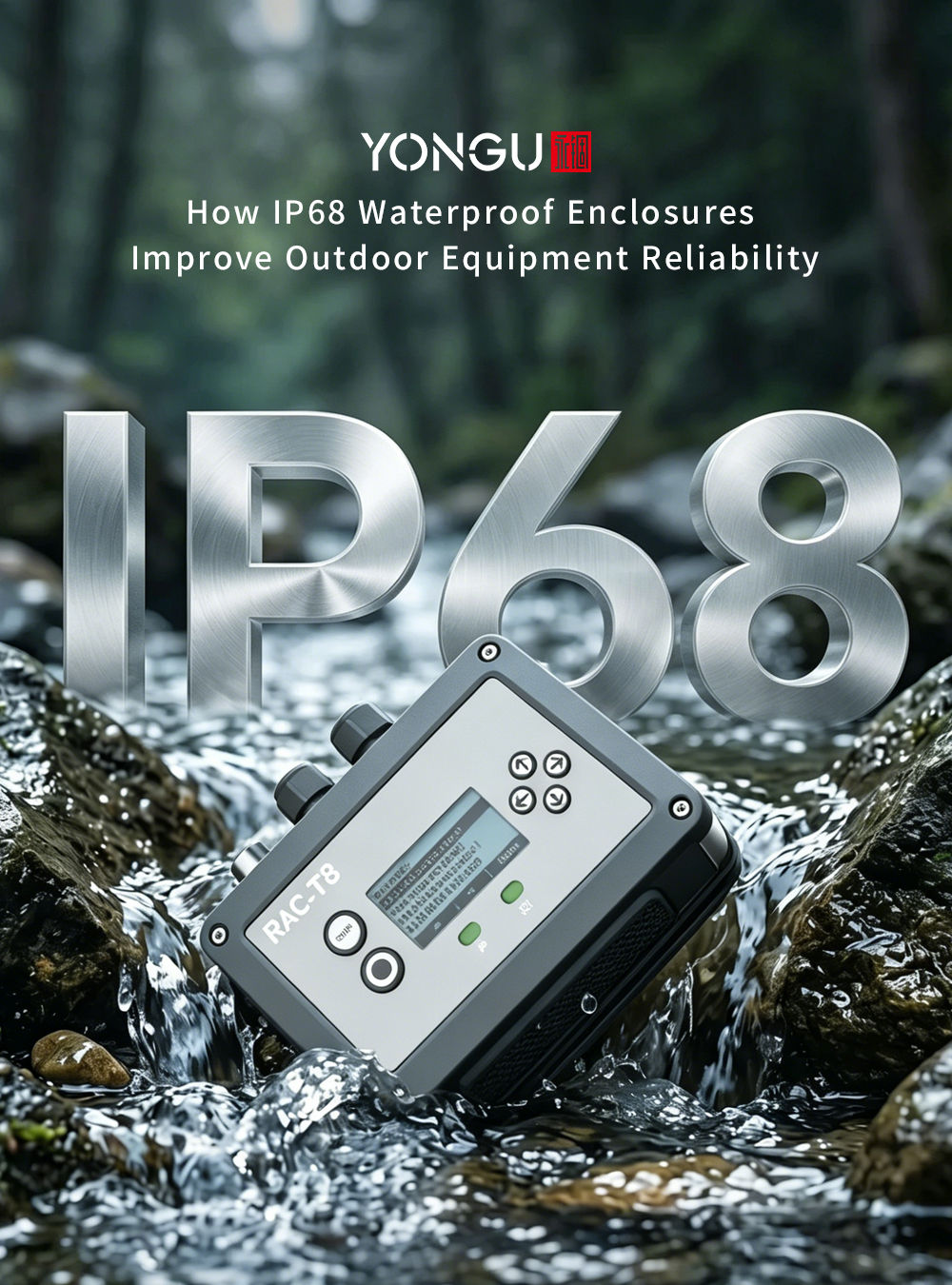
The Hidden Costs of Weather Damage in Outdoor Electronics
For engineers and project managers, deploying sensitive electronics outdoors is a high-risk endeavor. Whether you are installing IoT gateways, telecom base stations, solar power controllers, or environmental monitoring sensors, nature is your biggest enemy.
A common pain point in outdoor engineering is micro-condensation. When internal components generate heat and the external temperature suddenly drops (such as during a rainstorm), moisture condenses on the PCB. Over time, this leads to short circuits, accelerated corrosion, and catastrophic system failure. Standard plastic boxes or lower-grade IP65 casings simply cannot withstand severe weather fluctuations, driving up your replacement costs and causing unacceptable system downtime.
Decoding IP68: Why It Matters
When selecting an outdoor waterproof box, understanding the Ingress Protection (IP) rating is crucial:
- The "6" (Solid Protection): Indicates absolute protection against dust, dirt, and sand. No micro-particles can enter the enclosure.
- The "8" (Liquid Protection): Indicates the enclosure can withstand continuous immersion in water under conditions specified by the manufacturer (usually up to 1-3 meters for prolonged periods).
Material Science: Aluminum vs. Plastic in Harsh Environments
While plastic enclosures are cheap, they degrade under UV exposure, becoming brittle and compromising their waterproof seals. Aluminum, on the other hand, provides structural integrity and vital thermal management.
| Feature | Standard Plastic Enclosure | Aluminum IP68 Enclosure |
|---|---|---|
| Waterproof Longevity | Warps over time, breaking the seal | Rigid structure maintains perfect gasket compression |
| Heat Dissipation | Traps heat inside (insulator) | Acts as a natural heat sink (excellent thermal conductivity) |
| UV Resistance | Becomes yellow and brittle | Unaffected by direct sunlight |
| Impact Resistance | Prone to cracking under stress | High durability against physical impacts and vandalism |
Engineering for the Extremes: A Real-World Scenario
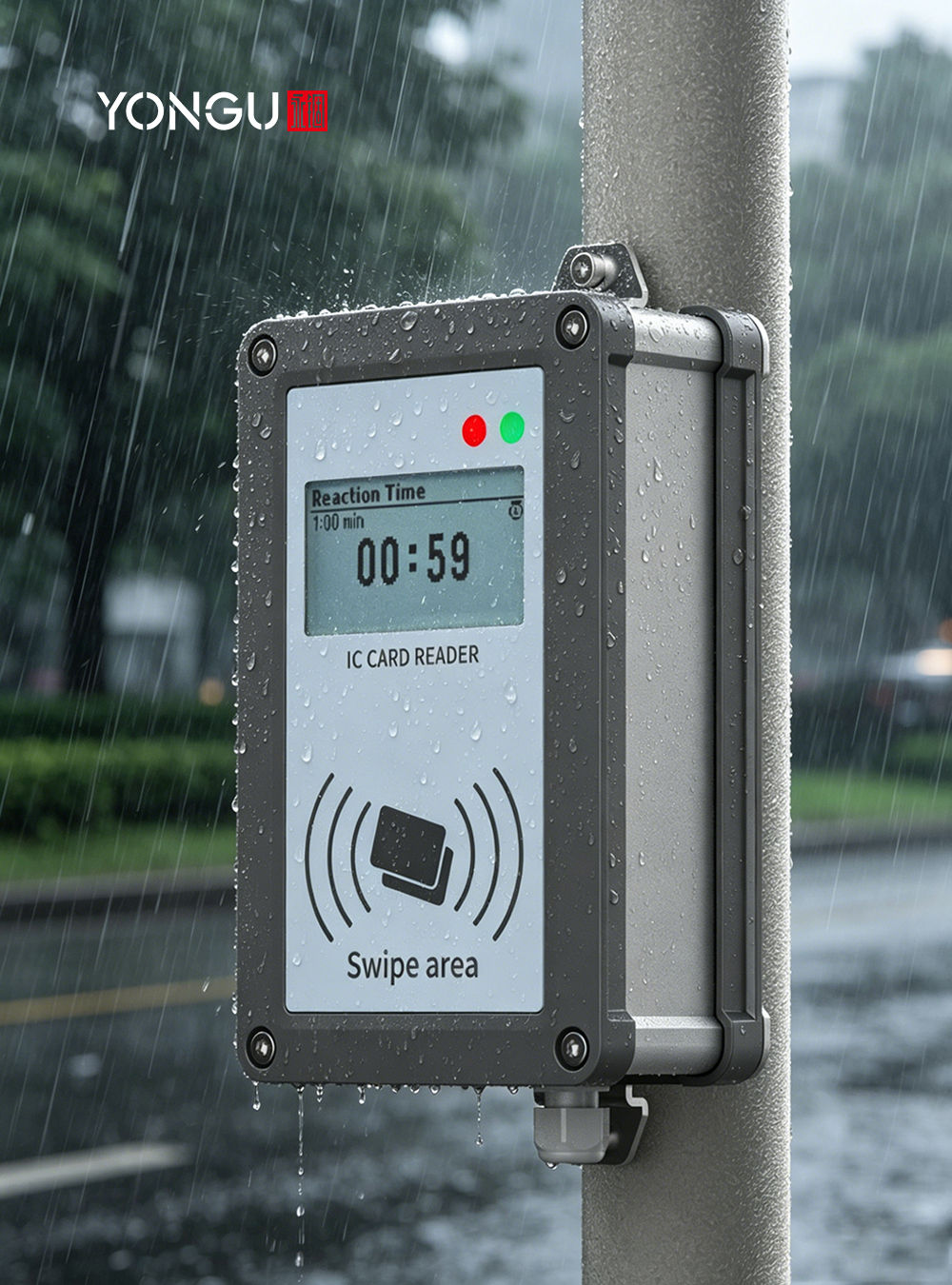
Imagine deploying a remote sensor network in a coastal area prone to heavy, continuous rainy weather. Your PCB is generating 15W of heat. If you put it in a sealed plastic box, the heat cannot escape, baking your components. If the box isn't perfectly sealed, the coastal rain and humidity will destroy the circuitry in weeks. You need a solution that dissipates heat while maintaining an absolute, submarine-level watertight seal.
This exact thermal and environmental challenge is why hardware engineers turn to YONGU. By utilizing thick extruded aluminum profiles paired with precision-engineered silicone sealing rings, YONGU provides the ultimate IP68 waterproof enclosure designed specifically for rainy and harsh environments.
Take their L05C-140-85mm series, for example. It functions as a premium weatherproof enclosure that not only survives continuous torrential rain but also utilizes its aluminum body to passively draw heat away from your internal processors. This means no condensation, no overheating, and zero water ingress. It is the ideal outdoor waterproof box that balances heavy-duty environmental protection with advanced thermal management, ensuring your project operates flawlessly year-round.
Frequently Asked Questions (FAQs)
1. Can an IP68 waterproof enclosure be used continuously underwater?
Yes, IP68 indicates the enclosure is designed for continuous submersion in water. However, the exact depth and duration (e.g., 1 meter for 72 hours) depend on the manufacturer's specific testing standards. It is perfect for heavy rain, flooding, and shallow submersion.
2. Will an aluminum weatherproof enclosure block my WiFi or RF signals?
Yes, aluminum naturally acts as a Faraday cage, which can block wireless signals. For IoT or telecom devices, engineers typically use external IP-rated waterproof antennas mounted via specialized cable glands on the outside of the enclosure to ensure strong signal transmission.
3. How do cables enter an IP68 outdoor waterproof box without breaking the seal?
Cables are routed through IP68-rated waterproof cable glands or waterproof connectors. When tightened, these glands compress a rubber seal around the cable, maintaining the watertight integrity of the entire system.
Ready to Secure Your Next Outdoor Project?
Don't let unpredictable weather compromise your expensive electronic equipment. YONGU specializes in high-performance aluminum enclosures with advanced CNC machining capabilities to fit your exact PCB layout and connector requirements. Contact the YONGU engineering team today for a free consultation, custom cutouts, and bulk pricing on our top-tier IP68 solutions!