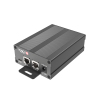
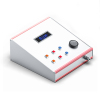
In hazardous and complex industrial environments such as chemical plants, coal mines, municipal engineering, and environmental protection facilities, gas detection instruments must continuously and stably monitor the concentration of toxic, harmful, and combustible gases. The customization of the gas detector enclosure directly determines the device's IP rating (Ingress Protection), detection accuracy, and operational lifespan. Thanks to its high strength, explosion-proof capabilities, corrosion resistance, and excellent thermal conductivity, aluminum alloy has become the preferred material for these housings. Professional OEM/ODM customization ensures a precise match with the instrument's internal structure and application scenarios, providing reliable protection for sensitive sensor components. This article presents a comprehensive case study on custom aluminum enclosures for gas detectors, detailing BOM (Bill of Materials) parameters, machining routing, material advantages, and ROI (Return on Investment), serving as a standardized procurement reference for buyers in the industry.
Project Overview: Custom Gas Detector Housing
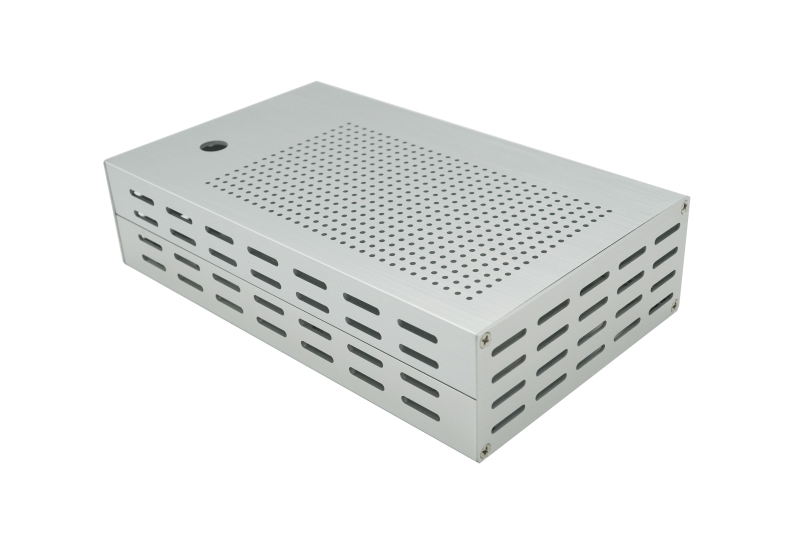
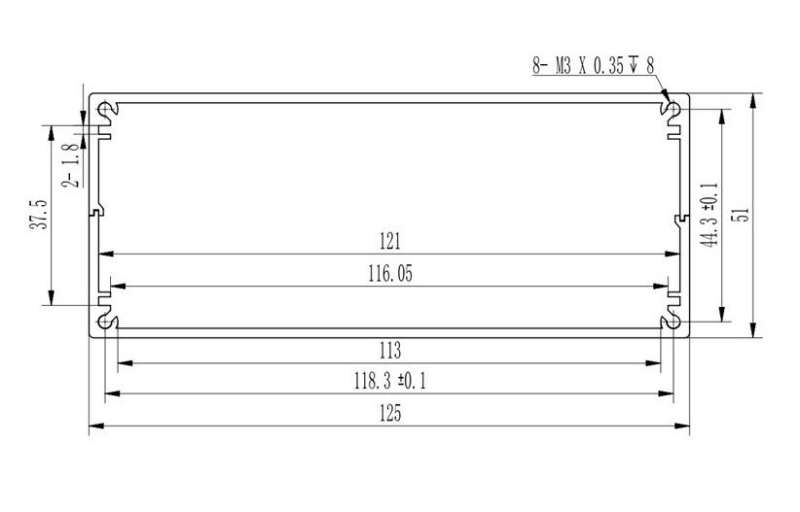
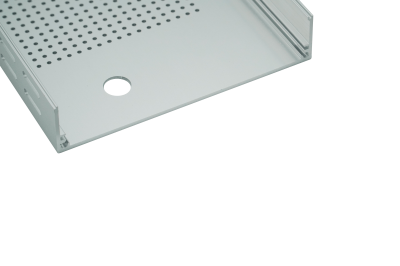
This custom enclosure project was specifically engineered for industrial gas detectors, utilizing the base Model H23(Aluminium Extrusion Profile Manufacturer Circuit Board Pcb Fabrication Split Electronic Enclosure) as the design foundation.
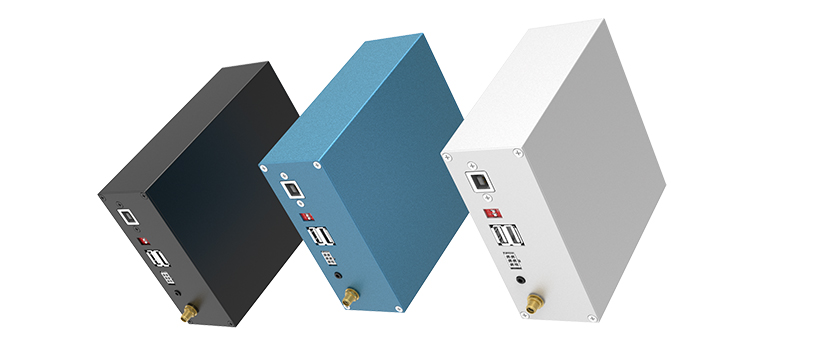
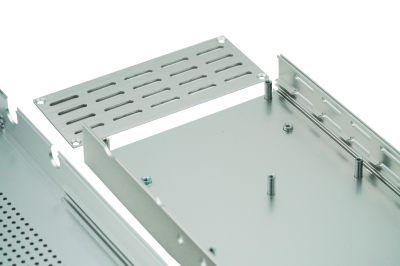
The overall dimensions are 125*51*208mm. The main body is constructed from dual industrial aluminum grades: 6063-T5 and 5052-H32. The surface features a uniform Anodized Brushed Moonlight Silver finish. The end-to-end manufacturing process integrates precision CNC machining, laser piercing, brushing, and anodizing. Dimensional tolerances are strictly controlled within ±0.1mm. This turnkey solution perfectly balances explosion-proof ratings, thermal management, and premium aesthetics, ensuring the long-term stable operation of gas detectors in harsh industrial environments.
BOM & Specification Details of Core Components
| Category | Part Name | Dimensions (mm) | Material Specs | Surface Finish | Standard Manufacturing Routing |
|---|---|---|---|---|---|
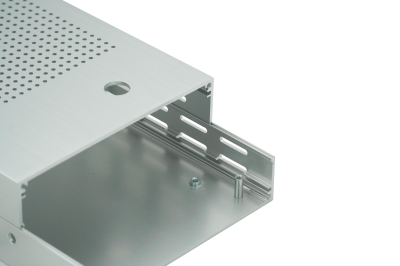
| Main Housing Assembly | Housing A | 125*51*208 | 6063-T5 Aluminum | Brushed Moonlight Silver | Sawing → Laser Piercing → CNC Machining → Chamfering/Deburring → Tapping → Manual Polishing → Manual Brushing → Anodizing → Press Riveting (PEM Insertion) → Packaging |
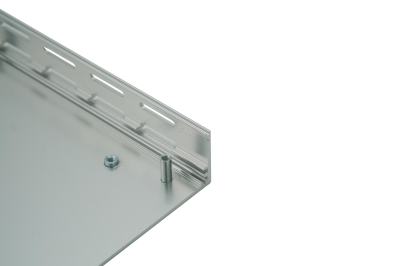
| Sub-Housing Assembly | Housing B | 125*51*208 | 5052-H32 Aluminum | Brushed Moonlight Silver | Sawing → Laser Piercing → CNC Machining → Tapping → Manual Polishing → Manual Brushing → Anodizing → Packaging |
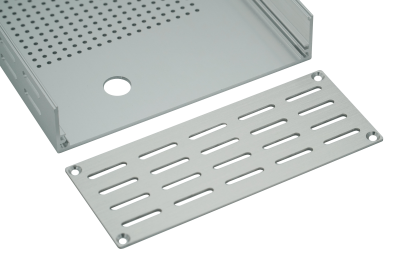
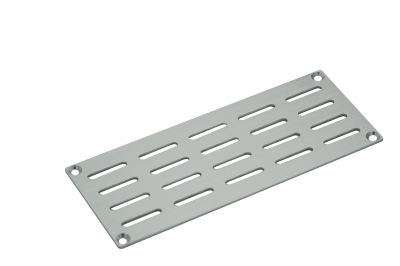
| End Plate Assembly | Baffle / End Plate | 125*51 | 5052-H32 Aluminum | Brushed Moonlight Silver | Laser Cutting → Chamfering/Deburring → Manual Polishing → Manual Brushing → Anodizing → Packaging |
| Fasteners | Phillips Countersunk Screws | M3*6 | Carbon Steel | Nickel-Plated (Anti-rust) | N/A (Standard Sourced Part) |
 |
 |
 |
 |
 |
 |
Manufacturing Routing & Machining Process Analysis
The aluminum gas detector enclosure utilizes a refined, component-by-component manufacturing routing. The processes are optimized to meet the high precision and heavy-duty protection requirements of gas monitoring equipment, ensuring excellent sealing, dimensional accuracy, and durability.
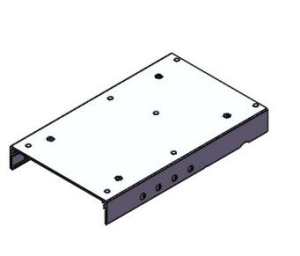
Housing A Machining Process: Utilizing extruded 6063-T5 aluminum profiles as the base material, the profile is first sawed to length (125*51*208mm). Laser cutting is used to precisely pierce openings for sensors and I/O interfaces. CNC precision machining and chamfering optimize the structural edges. Tapping ensures perfect thread engagement for screws. Manual polishing and brushing enhance the surface texture, followed by anodizing to form a dense protective oxide layer. Finally, press riveting is performed to reinforce structural integrity, meeting explosion-proof and anti-vibration requirements.
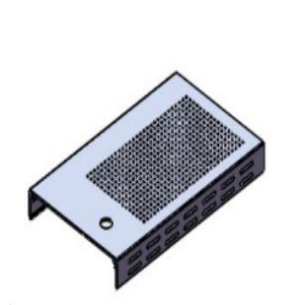
Housing B Machining Process: 5052-H32 aluminum plates undergo sawing, laser piercing, and CNC forming. Chamfering is omitted for this part, but core processes like manual polishing, brushing, and anodizing are retained. This ensures perfect mating with Housing A, guaranteeing the consistency and IP sealing of the complete assembly.
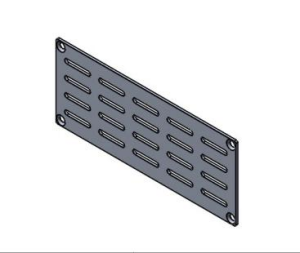
End Plate Machining Process: Laser-cut to exact 125*51mm dimensions, followed by chamfering and manual polishing to remove burrs. Manual brushing ensures a unified surface grain, and anodizing maximizes corrosion resistance. The plate seamlessly integrates with the housing to build a complete protective shell.
Material Selection & Performance Advantages
This custom enclosure procurement solution adopts a dual-aluminum-alloy strategy, specifically tailored to the core requirements of gas detectors: explosion-proof performance, anti-corrosion, heat dissipation, and high precision, making it ideal for highly flammable, explosive, or corrosive industrial sites.
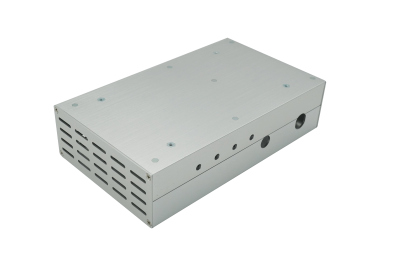
6063-T5 Aluminum Profile: The dedicated material for Housing A. It boasts excellent extrusion properties and machinability, along with high thermal conductivity to quickly dissipate operating heat, preventing sensor drift caused by high temperatures. After anodizing, it forms a uniform, dense surface that resists corrosion and scratches, providing base explosion-proof properties to protect internal PCBAs and sensors from mechanical impacts.
5052-H32 Aluminum Sheet: Used for Housing B and the End Plates. Known as a "rust-proof aluminum," it offers outstanding resistance to salt spray, acids, and alkalis, preventing premature aging in harsh environments like chemical plants or wastewater treatment facilities. Its superior plasticity allows for bending and cutting without cracking, accommodating complex structural designs and enhancing overall sealing performance.
Nickel-Plated Carbon Steel Screws: The nickel plating effectively isolates the steel from humid air, ensuring the fasteners do not rust or strip over long-term use. This guarantees secure assembly and prevents IP rating failures caused by loose hardware.
Addressing Key Engineering & Sourcing Pain Points
Professional customization of gas detector housings resolves five major pain points encountered in R&D and field applications, with empirical data demonstrating the improvements:
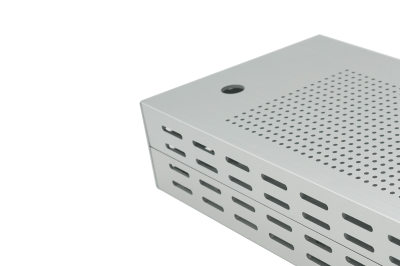
1. Tolerance & Alignment Issues: Standard enclosures often have large machining tolerances, causing sensor misalignment and a 5% error rate in detection. Our custom enclosures maintain a ±0.1mm tolerance, improving sensor positioning accuracy by 90% and keeping detection error rates below 0.5%.
2. Thermal Management Bottlenecks: Plastic housings suffer from poor heat dissipation, causing continuous-operation temperatures to rise by over 40°C, leading to severe sensor drift. Aluminum housings increase heat dissipation efficiency by 60%, keeping temperature rises under 25°C and ensuring stable data output.
3. Insufficient Corrosion Resistance: Standard materials may crack or age within 3 months in corrosive environments. The aluminum + anodizing combination passes 400-hour salt spray tests, extending the lifespan to over 5 years.
4. Vibration & Explosion-Proof Failures: Industrial vibrations can cause loose fittings and compromise explosion-proof integrity. Our custom press-riveted and precision-tapped structure enhances anti-vibration capacity by 50%, strictly complying with explosion-proof standards for hazardous zones.
5. Low Assembly Efficiency: Traditional housings with poor mating parts require time-consuming assembly. Our standardized tolerances boost assembly line efficiency by 45% and reduce field maintenance time by 40%.
Value Proposition & ROI of Custom Enclosures
Implementing custom gas detector enclosures delivers significant upgrades across three dimensions: Application, Manufacturing, and Market Positioning:
1. Enhanced Equipment MTBF (Mean Time Between Failures): Comprehensive upgrades in protection, thermal management, and precision result in a 75% increase in fault-free operational time, ensuring gas detection accuracy remains above 99.5%.
2. Optimized Production Efficiency: Modular designs and standardized machining routing increase batch assembly efficiency by 40%, reducing labor time per unit by 20 minutes and shortening overall lead times by 25%.
3. Reduced After-Sales Costs: Upgraded durability and IP ratings lower the RMA (Return Merchandise Authorization) rate by 38%, cutting maintenance and warranty costs by 30%.
4. Increased Market Competitiveness: The premium Brushed Moonlight Silver aesthetics combined with high-end performance increases product market recognition by 55%, driving customer satisfaction from 75% to 95% and boosting distributor repurchase rates by 28%.
Our Turnkey OEM/ODM Manufacturing Advantages
We provide an end-to-end custom aluminum enclosure manufacturing service, covering everything from RFQ/requirement docking and CAD structural design to precision machining and final delivery:
1. Application-Specific Customization: We tailor enclosure structures and processes based on your specific application scenarios, sensor layouts, and ATEX/explosion-proof requirements, suitable for both portable and fixed gas detectors.
2. High-Precision Fabrication: Rigorous quality control across laser cutting and CNC machining ensures exact adherence to original CAD dimensions (e.g., 125*51*208mm). Strict tolerance control guarantees optimal sealing and assembly positioning.
3. Optimal Material & Process Matching: We source premium 6063 and 5052 industrial aluminum alloys, paired with brushing and anodizing processes, to balance explosion-proof specs, anti-corrosion, thermal management, and premium aesthetics.
4. Stable QA & Lead Times: From raw material incoming inspection (IQC) to final packaging (OQC), we implement strict quality checks. We support both low-volume prototyping (NPI) and high-volume mass production, responding agilely to your product iteration cycles.
Conclusion: High-quality custom enclosures are a critical factor in elevating the stability, precision, and safety of gas detection equipment. Utilizing 6063-T5 and 5052-H32 aluminum alloys, combined with precision machining, excellent thermal/corrosion resistance, and anti-vibration features, our solutions perfectly match the demanding requirements of industrial gas monitoring. Partnering with a professional enclosure manufacturer not only resolves field application pain points but also reduces total cost of ownership (TCO), enhances product quality, and strengthens your market competitiveness, providing a highly reliable supply chain solution for global gas detector brands.